Rest is your new Superpower
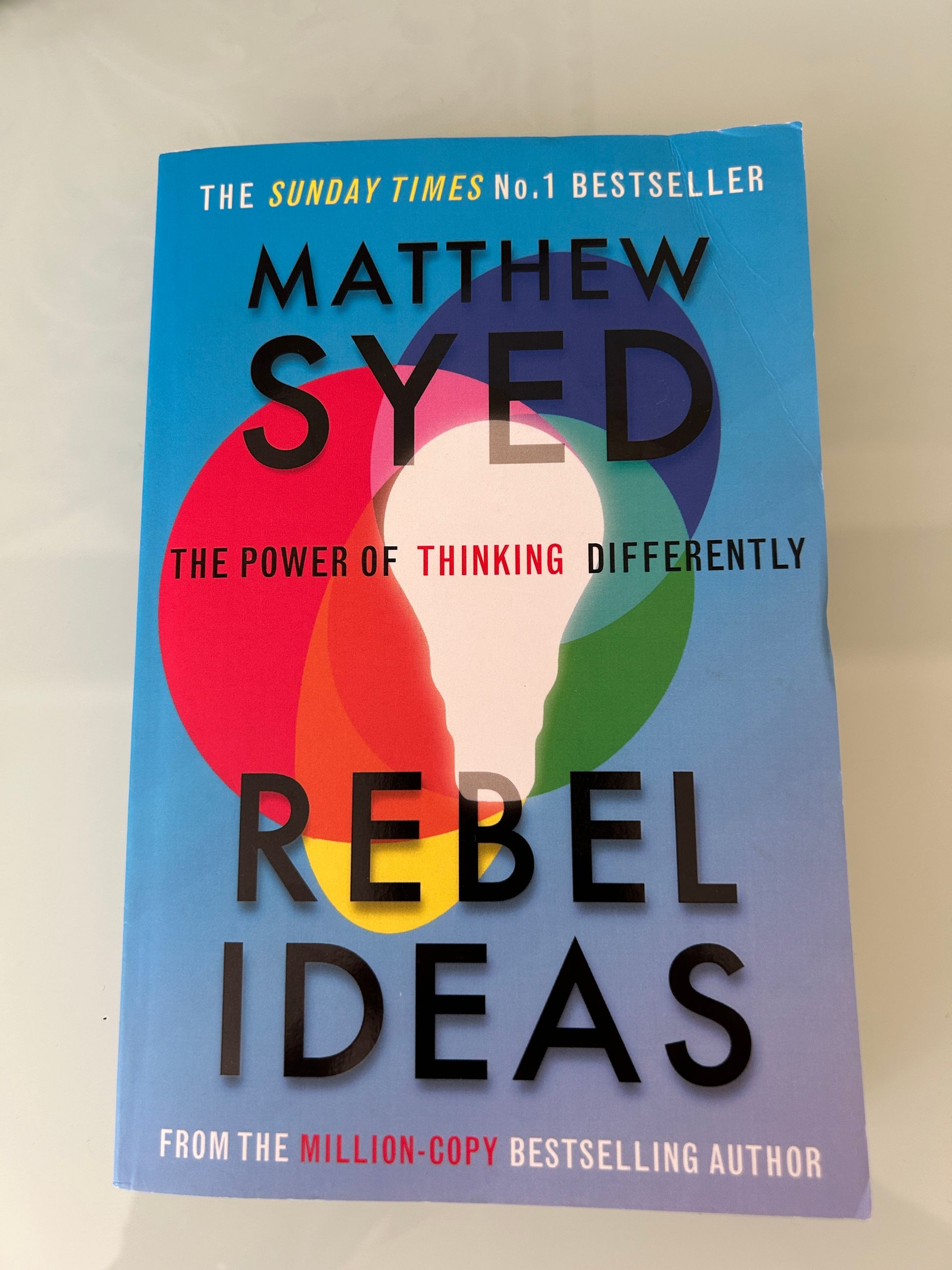
“Treat rest as work’s equal partner” – Alex Soojung-Kim Pang the author of Rest
We may now understand why you always have your best ideas in the shower or when you are on a walk. We need to learn how to rest and when to do it and how to be as effective as possible.
Why rest matters?
Marcus Raichle a neuroscientist showed that the resting brain is highly active and uses 95% as much energy as the working brain.
What happens when we rest?
· Your brain consolidates what you have just learned
· It integrates the new knowledge with what you know already
· It uses the stored knowledge to then work through problems you are struggling with
Imagine a relay race between the working brain and the resting brain—or, if you prefer, the conscious and subconscious mind. When you step away from a task, you hand over the baton. While you rest, brain networks associated with memory consolidation, reflection and creative problem-solving remain active.
If we don’t rest then we are unlikely to have the breakthrough when the subconscious mind flows.
How to rest effectively?
· Stop before the tank is empty
· Stop mid task with unsolved question in your mind
· Set a return time
To ensure you are getting the right rest:-
· Ensure a full nights sleep
· Exercise (elevate your heart rate for at least 15 minutes)
· Walking (the steady rhythm of your feet)
· Deep play – (losing yourself in a hobby)
Practical Tools
To help ensure that you take regular breaks. You can use the Pomodoro technique, work for 25 minutes have a 5 minute break and then when you have 4 Pomodoro’s have a longer break for 15 - 30 minutes.
My advice as a coach is to work in blocks of one hour. Many people find the brain concentrates for 45 minutes at a time, so give yourself that 5 minutes/10 minute window to get absorbed in the work.
I love the idea of walking away with a question or something unresolved. Research suggests that stepping away from a problem can help the brain continue to process it in the background, sometimes leading to new insights.
The key lesson is that rest is not time lost—it is part of the thinking process. By building deliberate recovery into your day, you can improve focus, creativity and decision-making. If you'd like support in developing productive work habits, get in touch to explore coaching with nuggets.