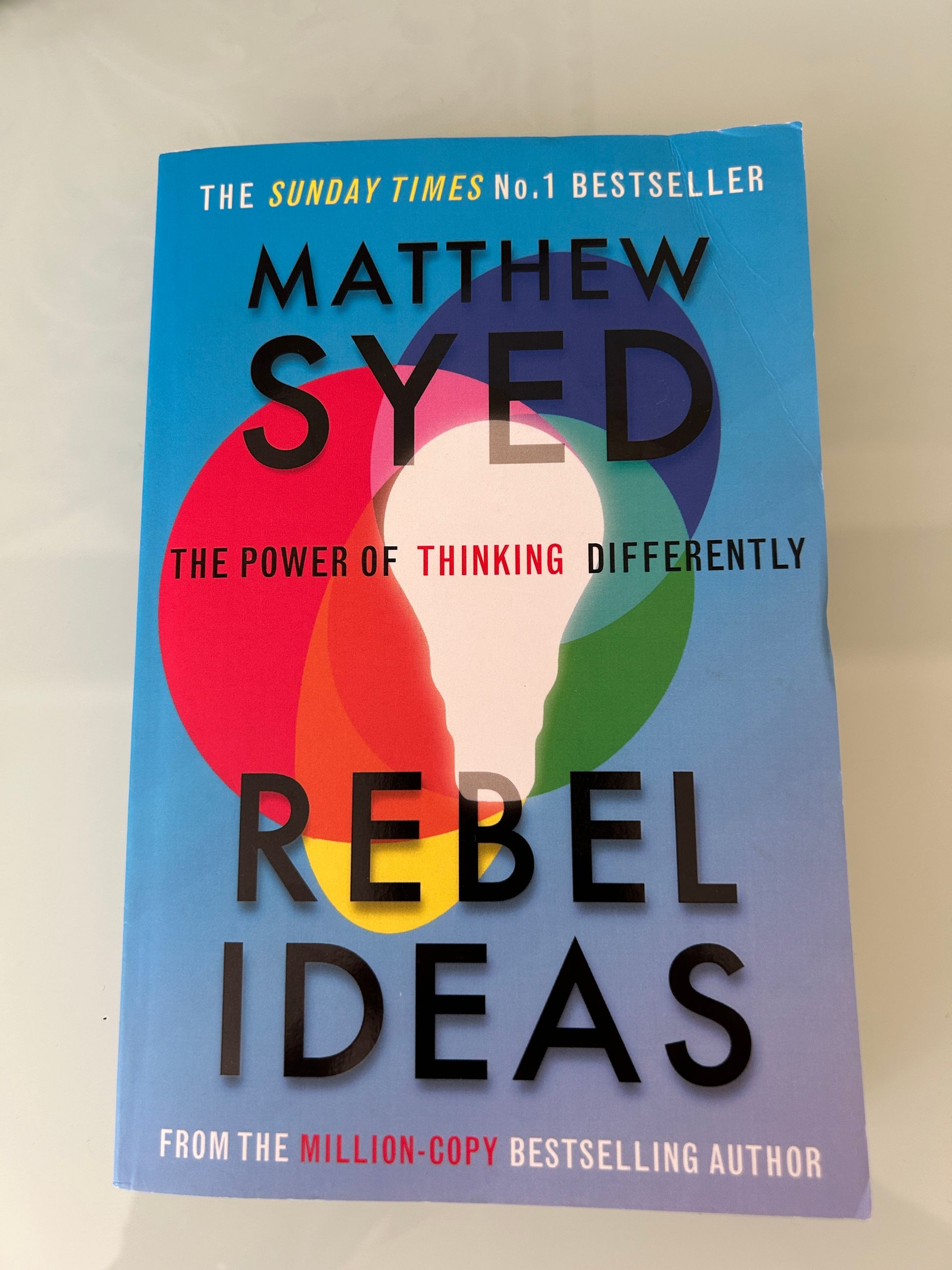
Critical Thinking
The Skill That Improves Every Decision
Critical thinking is the disciplined ability to actively analyse, interpret, and evaluate information in order to make reasoned judgments. Rather than accepting ideas at face value, critical thinkers question assumptions, recognise bias, and apply logic before drawing conclusions or solving problems.
In a world overloaded with information, critical thinking is no longer optional — it is an essential life skill.
The Core Components of Critical Thinking
Critical thinking is built on several key cognitive skills:
- Analysis – Breaking complex information, arguments, or problems into smaller, more manageable parts.
- Interpretation – Understanding and explaining the meaning or significance of information, experiences, or data.
- Evaluation – Assessing the credibility, relevance, and strength of evidence or claims.
- Self-regulation – Reflecting on your own thinking, recognising personal bias, and adjusting your perspective when necessary.
Together, these skills help individuals think more clearly, objectively, and effectively.
Real-World Applications
Critical thinking plays an important role across every profession and area of life.
- In the workplace: Marketing professionals use critical thinking to interpret consumer behaviour and campaign performance, while healthcare professionals rely on it to make sound clinical decisions under pressure.
- In education: Students use it to assess sources, challenge ideas, and develop stronger arguments.
- In leadership: Managers apply critical thinking to solve problems, assess risks, and make strategic decisions.
- In everyday life: People use it to evaluate news, compare financial choices, and navigate personal relationships more effectively.
Why Critical Thinking Matters
Strong critical thinking skills help individuals avoid common cognitive traps such as confirmation bias, emotional reasoning, and misinformation.
More importantly, they enable people to:
- Make informed decisions
- Solve problems more effectively
- Communicate ideas with clarity
- Adapt to change
- Think creatively
- Develop greater self-awareness
In both personal and professional settings, critical thinking leads to more logical, balanced, and defensible decisions.
How to Develop Critical Thinking Skills
Like any skill, critical thinking improves with consistent practice. Some effective techniques include:
- Developing higher-order thinking skills
- Using the “Five Whys” technique to uncover root causes
- Engaging in stimulating mind games and puzzles
- Practising time boxing for focused decision-making
- Using scenario mapping to explore possible outcomes
- Creating mind maps to organise ideas visually
- Applying questioning models to challenge assumptions
- Participating in discussions and debates
- Reflecting regularly on decisions and outcomes
The more intentionally you practise these habits, the stronger your analytical thinking becomes.
How Critical Thinking Helps in Everyday Life
Critical thinking has practical benefits that extend far beyond the classroom or workplace. It can help you:
- Make better financial decisions
- Resolve conflicts more calmly and logically
- Improve your health through informed choices
- Strengthen relationships through better communication
- Support personal growth and self-development
By learning to pause, question, and evaluate before reacting, you become more capable of handling uncertainty and complexity in everyday situations.
Final Thoughts
Developing critical thinking skills can significantly improve the way you approach decisions, challenges, and opportunities. It encourages a more thoughtful, balanced, and rational mindset — one that supports success in both personal and professional life.
In an age where information is everywhere, the ability to think critically may be one of the most valuable skills you can develop.