The Coach's notebook - stories that evoke change
How to stop procrastinating?
Procrastination is one of the most common challenges my clients bring to coaching. And overcoming it rarely comes from just one technique — it usually takes a combination of awareness, structure, and accountability.
To protect client confidentiality, names are fictitious, but the scenarios are very “real”
John was someone who strongly valued achievement. He loved ticking tasks off his to-do list. The problem? He often chose quick, easy tasks just for the satisfying dopamine hit of completion.
We started by looking at prioritisation. I introduced Stephen Covey’s The 7 Habits of Highly Effective People, specifically Habit 3: Put First Things First. This habit encourages us to distinguish between what is urgent and what is important.
John understood the concept — but in practice, he still found ways to sidestep the meaningful work and gravitate toward tasks he enjoyed and could finish quickly.
So we explored a different angle: visibility.
John was managing everything in his Outlook task list. The issue was simple — if the screen wasn’t open, the tasks didn’t exist. That made it far too easy to ignore the reports and projects that really mattered.
I encouraged him to use a paper daily planner kept open on his desk. These are inexpensive and simple, but incredibly effective. The key feature was a section titled:
“The 3 Things I Must Achieve Today”
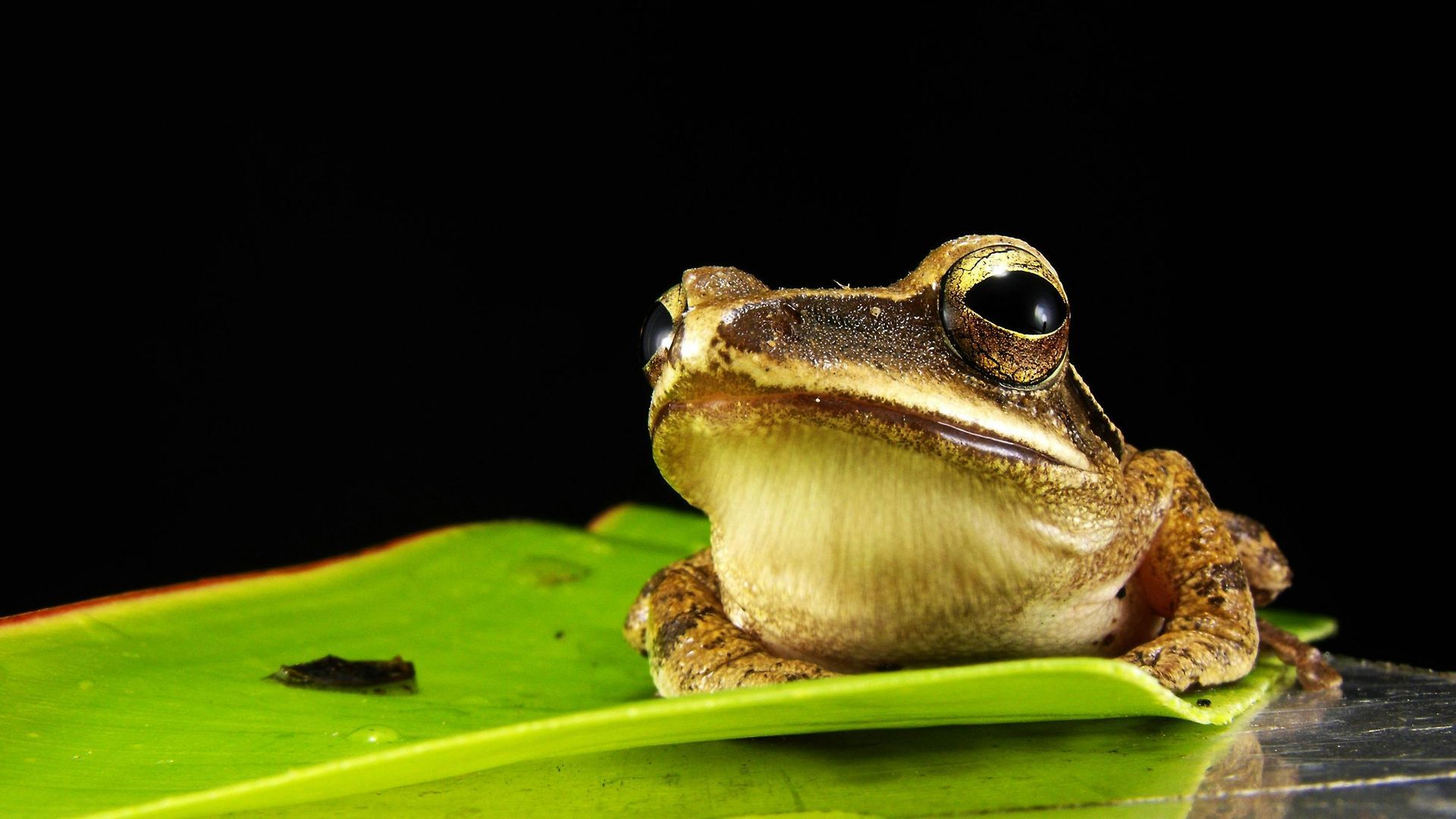
This is where Brian Tracy’s book Eat That Frog! came in. Tracy explains that if you had to eat a live frog, you’d want to do it as quickly as possible — and if you had to eat two, you’d start with the biggest one.
The “frog” represents your most important — and often most uncomfortable — task.
John’s “Frog Space” became the top section of his planner. My rule: no more than three frogs per day. Some days, just one big frog is enough.
The shift was powerful.
The paper planner was much harder to ignore than a digital list and seeing his “frogs” at the top of the page kept his real priorities front of mind. Instead of chasing easy wins, he started tackling meaningful work earlier in the day.
This links directly to the definition of procrastination:
Procrastination is the act of unnecessarily delaying tasks despite knowing there will be negative consequences.
It isn’t laziness — it’s a self-regulation challenge, often driven by fear, anxiety, perfectionism, or feeling overwhelmed. We avoid uncomfortable tasks in favour of short-term, easier distractions.
What helped John wasn’t just a planner or a productivity method. It was learning to manage his own self-regulation — supported by coaching accountability.
Because when someone is holding you to account, change becomes far more likely.
And sometimes, progress simply starts with eating one frog.